FIRM MARKETING · By Steve Gordon, Founder, Million Dollar Author · 9 min read · Updated 2026
Almost nobody hires a consultant because of an ad.
Ads, SEO, AI search, and networking were built for companies that sell products. After trying most of them, this is what I'd tell a firm owner to do, and how it makes your referrals easier to give.
For years, I was a networking guy.
I joined the largest international business networking group there is. You meet every week. You bring a referral for another member. I went from member to officer.
The group told us to spend about 10 hours a week networking.
Do the math on that. In a 40-hour week, that's 25% of your time. Most owners I know work closer to 50 hours. That's still 20%. One day out of every five.
And I did more than that.
I was in several groups. I had breakfasts, coffees, and lunches, one on one. At night, I went to Chamber of Commerce mixers.
Most of those meetings went nowhere.
Nobody did anything wrong. Networking doesn't grow with you. You're counting on the luck of sitting next to the right person on the right night. There's no system to it. For most people I've watched, it's a lot of activity with very little to show for it.
I paid for memberships and events. That was the cheap part.
The real price was time. Hours away from my family. Hours I wasn't spending on the work that paid the bills.
Some people do make networking work, and there are good people who teach it. But for most owners, it's the most expensive thing they do to get clients. They pay for it in hours.
I didn't stop at networking, either. I sent direct mail. I bought leads. I ran Facebook ads. I gave talks. I posted on social media and sent email newsletters.
Some of it worked a little. None of it kept working once I stopped pushing.
It took me a long time to see why. Most of those tools were built for someone else.
Built for products, bought on trust
Think about how you'd buy a pair of running shoes online.
You see an ad. You check the price. You read a few reviews. You click "buy." If they don't fit, you send them back.
Nobody hires a consultant that way. Or a financial advisor. Or an executive coach.
When someone hires you, they're handing you something that matters. Their money. Their company. Their people. Before they do that, they need to trust you.
What earns that trust is the way you think. How you see their problem, and how you'd solve it.
That's where most firms get stuck.
Your best thinking only comes out once someone is already a client. You share it in meetings, with the door closed. That leaves a stranger in a bind. He'd need to see how you think before he trusts you, and he can't see it until he hires you.
An ad won't fix that. A better website won't either.
You don't have a marketing problem. You have an ownership problem.
You don't own anything that explains how you think when you're not in the room.
Paid ads: one touch, then it's gone
Ads work. For products, they work well. A few firms make them pay, too.
But an ad is one touch. A line or two, a picture, and a button.
A high-ticket buyer sees you 7 to 15 times before reaching out.
So you'd pay for every one of those touches. Then you'd pay again next month. The day the budget stops, everything the ads were doing stops with it.
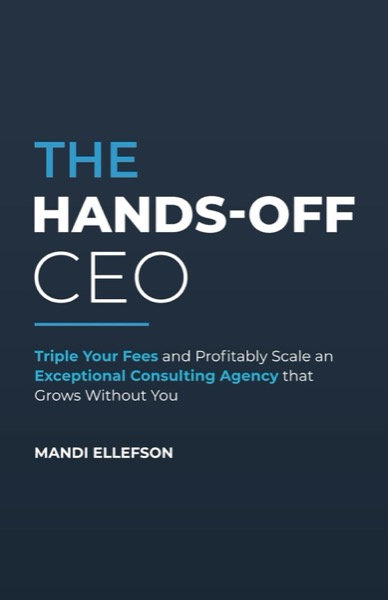
One of our clients, Mandi Ellefson, is a consultant. She and her team spent a lot of time and money on ads. Some years back, they stopped. Her book is now the main thing she uses to help her sell, and she told us she hasn't found anything better for that job.
SEO and AI search: slow, and harder to predict
SEO does work for some firms. I've seen it.
It's also slow. You publish for months before much happens. Then you have to keep feeding it, or your rankings slip.
Now search itself is changing. More people type a question into an AI tool and read the answer it gives them. No one knows yet what will put a firm in those answers a year from now. I don't either.
There's a bigger issue.
AI is good at repeating common advice. Ask it how to grow a firm and you'll get a tidy list. It will read like every other list on the subject.
If your advice sounds like that list, you'll blend right in.
What AI can't do is make up your method. The steps you actually take with clients, with a name on them, and your name on the cover. That's a lot harder to blend away.
Networking and speaking: great while you're in the room
You already know where I landed on networking.
Speaking is better. One talk puts you in front of a whole room at once.
But both have the same limit. They work while you're there.
When you stop going, they stop too.
Referrals: the default nobody chose
Most firm owners I talk to get most of their new clients from referrals.
Few of them planned it that way. It's what was left after everything else fizzled out.
And referrals bring in great clients. They arrive already trusting you, because someone they trust sent them.
But you can't turn referrals up when you need more. They show up when they show up.
Your referral partners have a hard job, too. They like you. They believe in you. Then they try to explain what you do, and it comes out as, "He's really good. You should call him."
That's not much for a stranger to go on.
Now picture your partner handing over a book instead.
I once had a business owner in the UK open a sales call by telling me he'd never read my book and never would. A friend had given him a copy. It sat on his nightstand for about two and a half years, and the cover sold him on its own. His friend made that referral once, and the book kept making it every night.
I tell the whole story, and what that first book did for my firm, in "I used to think the answer was more marketing."
How the channels compare
Here's a quick way to score your own. Ask five questions about each one.
| Who controls it? | What does it cost to keep going? | What does a stranger learn about you? | Can AI copy it? | What's left if you stop? | |
|---|---|---|---|---|---|
| Referrals | Your network | Time and favors | Whatever your friend remembers to say | No | A slower trickle |
| Paid ads | The platform | Money every month | A line or two | Easily | Nothing |
| SEO | Steady content and upkeep | Pieces of your advice | Mostly | Rankings that fade | |
| AI search answers | The AI company | Unknown so far | A summary, maybe with your name | It is AI | No one knows yet |
| Networking and events | The host | Your evenings | What fits in one conversation | No | Business cards |
| A book, used with referrals | You | Built once, then used | How you think, start to finish | Not your named method | The book keeps working |
Look down the "Who controls it?" column. Almost every answer is someone else.
Then look at what a stranger learns. Almost every row gives him a small piece of you.
One row lets him see how you think, start to finish, before he ever talks to you.
The reach product companies get, built on your thinking
Product companies get their reach from ads and search. A book can give you that kind of reach. What it carries is your whole way of thinking, in your words.
And a book goes places you'll never be. It gets passed across a desk. It gets bought late at night by someone you've never met.

One of our clients, Greg Eckel, runs a health practice for people living with Parkinson's. His book is Defying Parkinson's. It sold more than 4,000 copies in under four months. It hit #1 in its medical categories on Amazon and broke into the top 300 books on all of Amazon.
This is what he told us:
"That book drove the biggest month in the entire history of our company, both in sales and in revenue. One book did that."
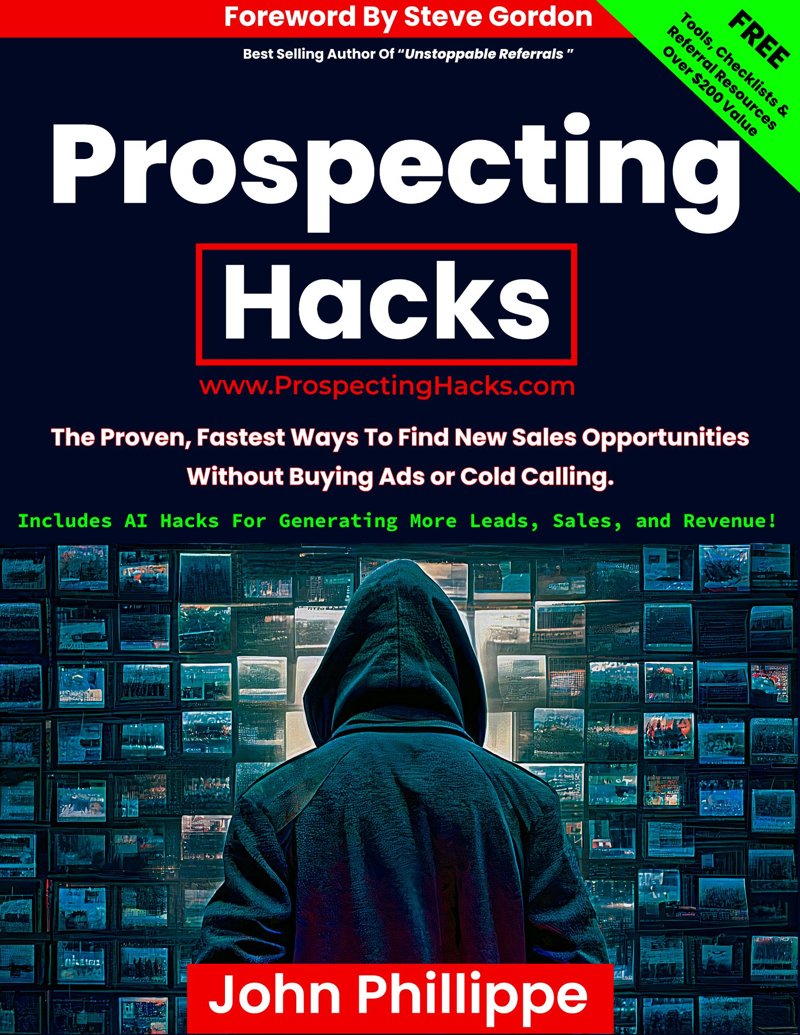
And it doesn't take 4,000 copies. Another client, John Phillippe, is a consultant who had never done any marketing. A client found his book on Amazon and emailed him. Within three and a half hours, John had a $38,000 contract.
Why the book needs a plan around it
None of this happens with a book that sits in boxes in your office.
For most publishers and ghostwriters, the job ends on launch day.
We plan how your book reaches the people you want as clients, built around how firms like yours win work. That means getting it into your prospects' hands, onto stages, and in front of the partners who already send you work.
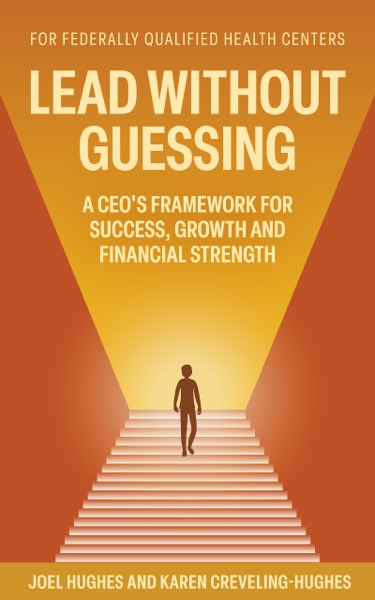
One of our clients, Karen Hughes, wrote Lead Without Guessing with her co-author, Joel Hughes, for CEOs of federally qualified health centers. Karen said this in her review:
"Beyond the book itself, an unexpected benefit was the weekly marketing and author sessions."
Most owners expect the work to end when the book comes out. That's when ours picks up.
And your referrals keep coming. The book makes them easier to give. Your partners no longer have to sum you up in one line over lunch. They pass along your book instead.
Is this a fit for you?
This works best if you run an established firm with a team, and a new client is worth $10,000 or more to you.
It's not a fit if you want a book for the shelf and have no plan to use it.
If that first line sounds like you, book a 20-minute call with my team. They'll learn about your firm, the clients you want more of, and how new ones find you today. After that, you'll sit down with one of our book strategists.
You'll come away knowing:
- Whether a book makes sense for your firm right now
- What it should be about
- How it could make you the name people point to in your market
- What new clients it could bring in, and what they'd be worth to you
- How to put it to work quickly, right next to the referrals you already get
If a book isn't the right move yet, they'll tell you.
And if you sell a service at $10,000 or more and finish 80% of the launch steps, you'll earn back your investment within 90 days of publishing, or I'll keep working with you until you do.
We've never had to.
I spent years paying for marketing in hours and in dollars. What I needed was something that kept explaining me after I went home.
Keep the referrals that built your firm, and add the one thing they've been missing.
Steve "referrals plus one" Gordon
P.S. Greg Eckel says one book drove the biggest month his company has ever had. Yours doesn't have to do that to pay for itself. For most of the firm owners we talk to, one to three new clients cover the whole cost. The 20-minute call is where you find out what a book could do for your firm. Book your 20-minute call