CONSULTANT CASE STUDIES · By Steve Gordon, Founder, Million Dollar Author · 8 min read · Updated 2026
The harder your work is to explain, the more a book helps.
Consultants and fractional executives sell something a client can't see until they hire them. Six of our consultant clients put theirs in a book. This is what happened.
If you're a consultant, you've probably asked yourself this at some point.
"Would a book work for someone like me?"
It's a fair question.
Most things people buy, they can check out first. A house gets a walk-through. Software gets a free trial.
What you sell doesn't come with a trial. It's the way you think. It's the calls you make in a meeting that nobody else in the room would have made.
So it makes sense to wonder if a book can carry that.
My answer is biased. My first book was for a consulting firm. Mine. We were a one-and-a-half-person firm in Tallahassee when it came out. I told that whole story in this letter.
After that book, and more than 300 books for clients since, this is what I believe.
The harder your work is to explain, the more a book does for you.
Read the full guide: how consultants get clients.
The explaining problem
You sell judgment.
And a client only gets to see your judgment after they've paid for it.
Think about how most of your new clients find you. Somebody sends them. Your referral partner likes you and trusts you. Then they try to describe what you do... and get it about half right.
"I'm not sure exactly how she does it. But she's great. Call her."
An ad can't hold it either. A headline and a few lines won't show anyone how you think.
So the prospect gets on a call, and you start from zero. Again.
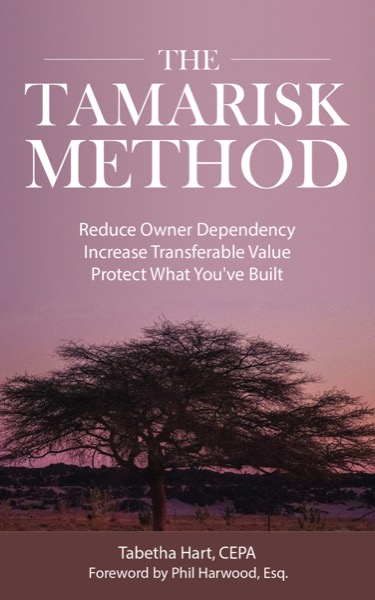
One of our clients, Tabetha Hart, is a consultant and a Certified Exit Planning Advisor® (CEPA®). She named the problem better than I can:
"It was really hard to explain to people that exit planning is not for people who are preparing to retire. Trying to convey that message has sometimes been difficult."
That's most consultants I know. The work is great. Explaining it is the hard part.
A book holds all of it. Your method. Your stories. The reasons you do things the way you do. The prospect reads it at home, at their own pace, before you ever talk.
By the time they get on the call, the explaining is done.
Two who found out fast
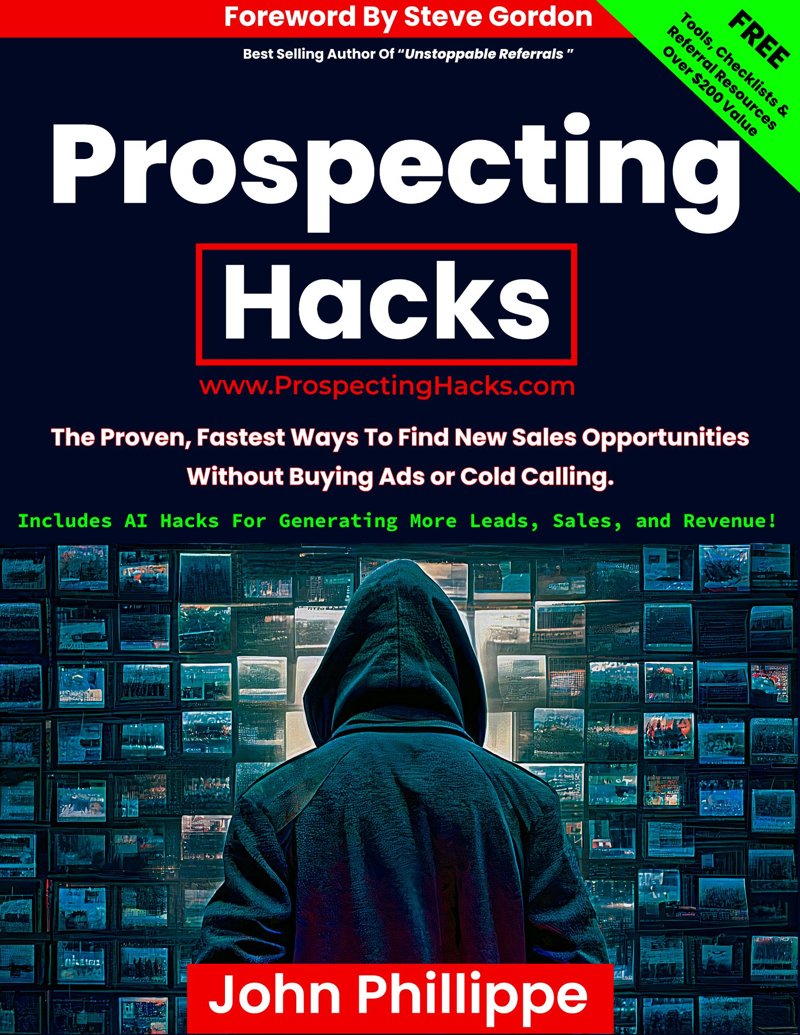
One of our clients, John Phillippe, is a consultant. A prospect came across his book, Prospecting Hacks, on Amazon and emailed him to set up a meeting. Three and a half hours later, John had a $38,000 contract.
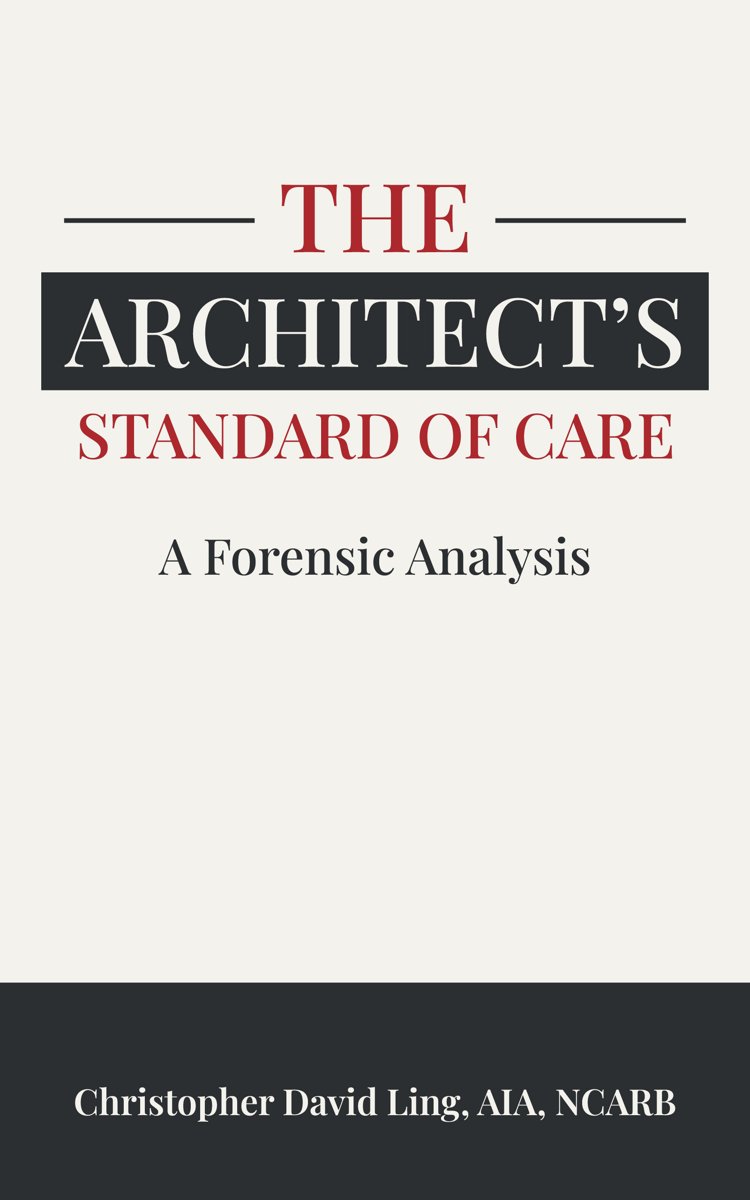
Another client, Chris Ling, wrote The Architect's Standard of Care: A Forensic Analysis. It's about as narrow as a book can get. Now, when a prospect asks why they should hire him, he tells them he wrote the book on it. His firm is full.
Neither of them had to explain much. The book had already done it.
The man he hadn't talked to in 20 years
Ryan Schmierer spent 25 years in enterprise technology. Fourteen of them were at Cisco. He also worked as an Enterprise Architect for Corporate IT at Microsoft.
Today he runs NovoCircle, a consulting firm that helps companies with technology strategy and automation.
That's a hard job to explain at a cocktail party.
In June 2026, he published The Value Shift. He never wrote a word of it. He talked, and our team did the writing.
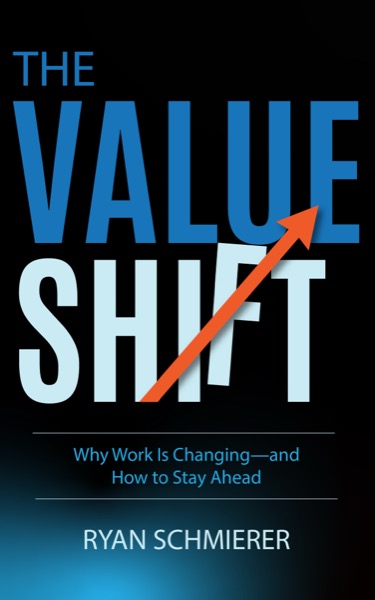
This is what happened on launch day, in his words:
"Within a couple of hours of launch I got a reach out from someone I hadn't talked to in 20 years. He now runs a change management community for a large Fortune 500 tech company, and he asked me to speak at their events."
A couple of hours.
And it didn't stop there. More speaking invitations came in that first week. People he'd lost touch with found him again on LinkedIn.
Think about what happened. That man knew Ryan. He'd gone 20 years without a reason to call. The book gave him one, and it showed him what Ryan does now.
All in one afternoon.
You have people like that too. Old colleagues. Former clients. People who'd hire you or send you work if they understood what you do today. Most of them only half know.
A book gives them the whole picture. And a reason to call.
"We stopped doing that"
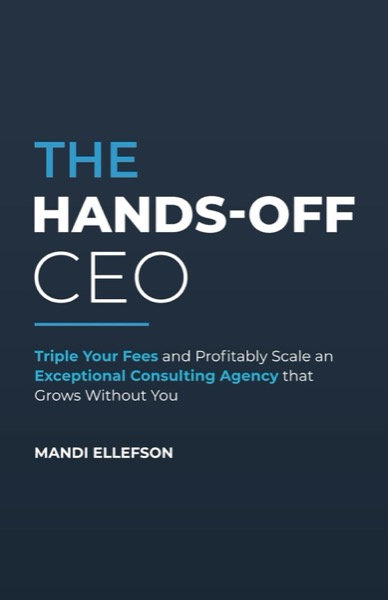
Mandi Ellefson is a consultant. Her book is The Hands Off CEO.
This is what she told us:
"We spent a lot of time and money on ads. We stopped doing that some years back... There is no better sales enablement material than a book. I've been working towards it and I couldn't quite get it dialed in to the level that I wanted to until I worked with Steve Gordon and his team."
Two things stand out to me.
First, the ads. Mandi gave them a real try. In my experience, ads work best for things people already understand. A few lines in a feed can't show a prospect how you think.
A book can. That's what she means when she says there's no better sales material.
Second, the part about working toward it. Mandi knew she wanted a book. She couldn't get it where she wanted it on her own.
I know that feeling well. My first two drafts went in the trash. If you have a half-finished manuscript in a drawer, you're in good company.
Your story is part of the proof
Some consultants I talk to say their experience isn't a book. "I just did the work. Who wants to read about that?"
Robert Slagel would disagree.
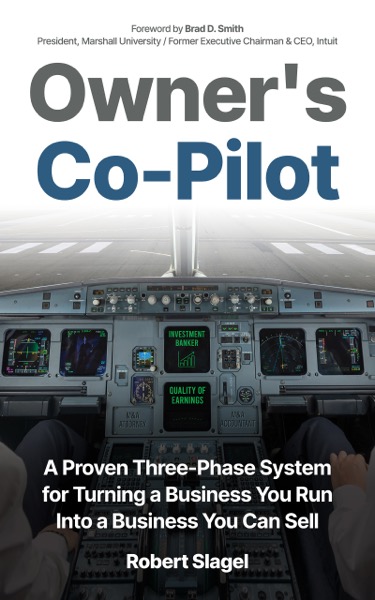
Robert has grown and exited seven businesses. His book, Owner's Co-Pilot, lays out his three-phase system for turning a business you run into a business you can sell. He teaches it through his own story, one business at a time.
The book was finished just in time for him to give the keynote at the first entrepreneurship conference at Marshall University in West Virginia, in September 2026. The community made a big deal of it. He signed books afterward, and the crowd gave him a warm welcome.
Robert has also been asking readers what they think. In his words:
"Every one of them has said, 'This is a good read, and I would read this even if I didn't already know your story.' And I'm asking for brutally honest feedback."
That's the point of the stories. People remember a lesson when it comes with the business where you learned it the hard way.
Your years of client work are what make your method believable. Put them in the book.
If you're a fractional executive
Your problem is the same one, only sharper.
A company hires you for a few days a month. They're trusting you with a seat at the top of their business. And they can't test your judgment before they sign.
So they lean on a referral and a gut feeling.
A book lets them see how you think before they bring you in. They can read how you'd handle the problem they're facing. When they call, they're not asking if you can do the job. They're asking when you can start.
What these have in common
Look at every story on this page.
John's prospect found his book before ever emailing him. Ryan's old contact saw the book before he reached out. Chris tells prospects he wrote the book on their problem. Mandi uses hers to sell. Robert's readers say they'd read his even if they didn't know him.
Each time, the book did the explaining first.
That doesn't happen by luck. We build every book in four steps.
Extract. We interview you and draw out the method you use every day but have never written down.
Name. We give that method a name that's yours.
Package. We write, edit, design, and publish the book.
Activate. We put it to work. In front of prospects, referral partners, event hosts, and podcast hosts.
Most publishers and ghostwriters stop after the third step. We build the marketing around your book too, and we build it for the way consulting firms win clients.
Some of the consultants on this page chose to write their own books, with our coaching. Ryan went the other way. Most owners do. If that's you, you won't write a word.
You'll spend about eight hours talking with us in the first week. Then 12 to 15 hours over the next few months reading drafts and telling us what to change. About 90 days, start to finish.
For most of the firm owners we talk to, one to three new clients pay for the whole thing.
And we back it with a guarantee. If you sell a service at $10,000 or more and finish 80% of the launch steps, you'll earn back your investment within 90 days of publishing. If you don't, I keep working with you until you do.
We've never had to.
Is this a fit for you?
This works best if:
- You run an established firm with a team behind you
- A new client is worth $10,000 or more to you
- Your work is good, and hard to explain in a few sentences
It's not a fit if you're just starting out, or if you want a book for the shelf with no plan to use it.
If that sounds like you, book a 20-minute call with my team. They'll get to know your firm, your clients, and the work you want more of. After that, you'll sit down with one of our book strategists.
When you're done with those two calls, you'll know:
- If a book makes sense for your firm right now
- What your book should cover
- How it would set you apart as the leader in your market
- How many new clients it could bring in, and what they'd be worth to you
- How to get it working so it brings in clients fast
If a book isn't the right move yet, they'll tell you.
Your work is hard to explain. That's the reason a book works so well for you.
You explain it once, in the book. After that, the book does the explaining on every nightstand and every lunch table it lands on.
Steve "explain it once" Gordon
P.S. Ryan Schmierer's book was out for a couple of hours when a contact from 20 years ago asked him to speak. You probably have people like that in your network who don't know what you do now. The first step to showing them is a 20-minute call. Book your 20-minute call