FIRM GROWTH · By Steve Gordon, Founder, Million Dollar Author · 9 min read · Updated 2026
Most business books never bring in a client. It isn't the writing.
Most authors pour everything into finishing the book. That only gets them to the starting line. The clients come after it's published, from a book built to win them and a plan to put it in the right hands.
Maybe you already wrote one.
You spent a year on it. Maybe more. You paid a ghostwriter, or a publisher, or both. The day the boxes full of books showed up, you felt great.
Then nothing happened.
No calls. No new clients. A few friends said nice things. The rest of the copies are still in those boxes, in a closet or out in the garage.
Or maybe that's not you. Maybe you watched it happen to someone else, and you decided books don't work.
You're right. Most of them do nothing.
The ghostwriter handed over a file. The publisher handed over a cover. Everyone did their job. And the book still never brought in a client.
So let me tell you about the best book I ever saw fail. It won an award. It was full of good ideas. And it didn't bring in a single client.
What went wrong with that book is what goes wrong with most of them.
The award-winning book that brought in nothing
About eight years ago, a consultant came to me for help.
He helped big companies build sales systems and sales teams that worked. He was good at it. And the way he did it was different from anyone else in his field.
He'd written a book he hoped would grow his firm.
It was a good book. It won a literary award from the top magazine in the manufacturing industry he sold to.
It brought in zero clients.
He couldn't figure out why. So I studied it. I set it next to other books we'd done for firms in that same industry.
Then I saw it.
He'd written a textbook. 360 pages on how to do what he did, in full detail.
If you were teaching a class, it would have been perfect.
He wanted clients. And his buyers were C-suite executives at large companies.
Think about those people for a second. They don't have time to read 360 pages. And they have no wish to build a sales system themselves. They want someone to build it for them.
His book taught them how to do the job he wanted to be hired for. And it took 360 pages to do it.
Textbook or transformation book
The writing was good enough to win an award. The trouble was the kind of book it was.
There are two kinds of business books.
A textbook teaches the reader how to do the work.
A transformation book shows the reader what changes when they hire you.
We build transformation books. Here's how one is put together.
It starts with the problem that keeps your prospect up at 2 a.m. The first pages spell it out in plain English. The reader thinks, "This person gets my situation."
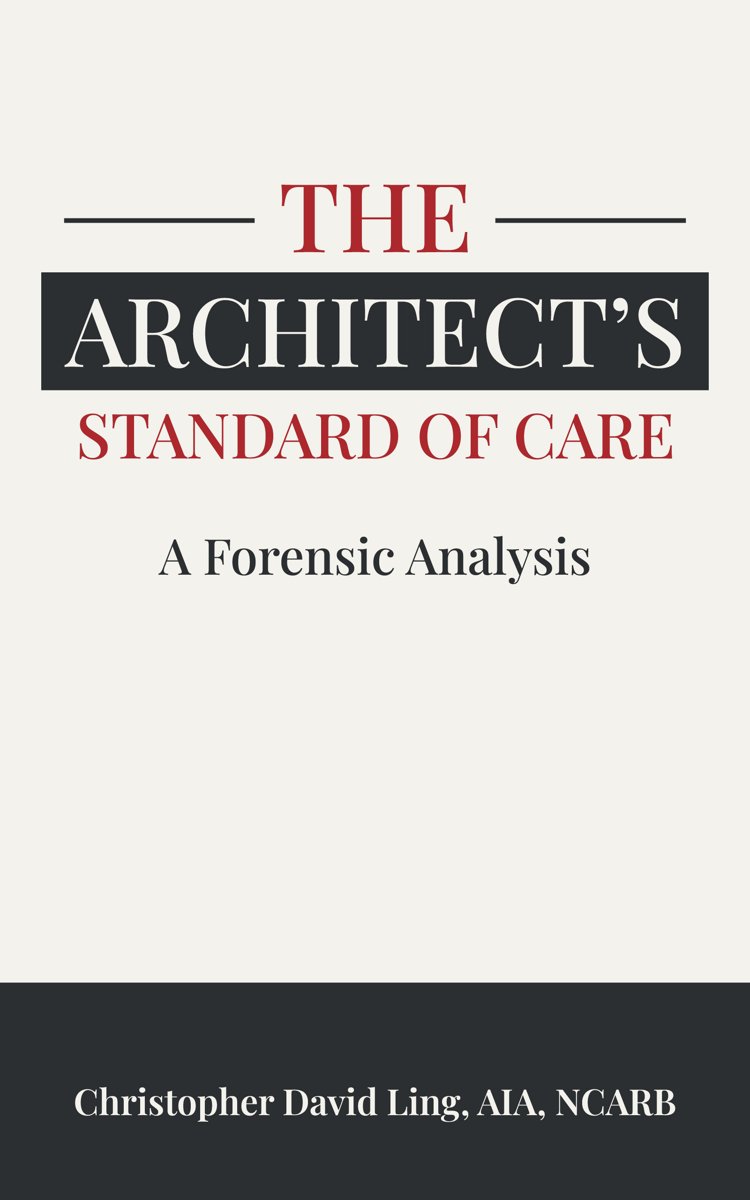
One of our clients, Chris Ling, is a consultant who wrote about as narrow a book as you'll find: the standard of care for architects. It's about his clients' exact problem. Today his firm is booked to capacity.
It ends with the better future. The last part shows what life looks like after working with you. The reader should be able to picture it.
The middle is your path. That's the way you get results for clients, usually 5 to 7 steps. A transformation book lays out those steps at a high level and gives the path a name you own. The reader sees enough to trust the path, and finishes the book wanting you to walk them through it.
That named path is also what keeps your book from sounding like everyone else's. AI can write a generic book in an afternoon. It can't write down a method that only lives in your head.
It's a plane ride book. That's what I call them. Long enough to feel like the real thing. Short enough to finish on a flight. And short enough that, sitting on a nightstand or a coffee table, it doesn't look like homework.
That last part matters more than you'd think. A business owner in the UK once told me a friend gave him my first book, and it sat on his nightstand, unopened, for more than two years. He saw the cover every night. Then he got on a call with me and hired me. He never read a page.
I doubt a 360-page textbook would have lasted two years on his nightstand.
Why we couldn't help him
I'd love to tell you we fixed that consultant's book and the clients poured in.
That isn't what happened.
The fix was clear. He needed to rewrite it as a transformation book. Shorter. Built around his buyers' problem instead of his process.
He wasn't willing to. He'd put a lot into that book, and it had won an award. I understand why he didn't want to start over.
So we couldn't help him.
I still think about that book. The award proved the writing was good. To bring in clients, it needed to be a different kind of book.
I learned it the hard way myself. My first two tries at my first book both went in the trash, two years in a row, before I got it right.
It comes with a plan
The right kind of book is only half of it.
Even a great transformation book does nothing sitting in a box. It has to get into the right hands.
When my first book, Unstoppable Referrals, came out in July 2014, 5,268 people got a copy in launch week. That didn't happen by luck. There was a plan behind that week, and we still use a lot of it with our clients. I told the whole story in this letter.
A book that brings in clients needs a plan built for how firms like yours win work. That means getting it into your prospects' hands. Onto stages and podcasts. In front of referral partners, so they finally have something to pass along besides your phone number.
Most publishers and ghostwriters don't do that part. Their job ends when the book is done.
We build the plan around the book.
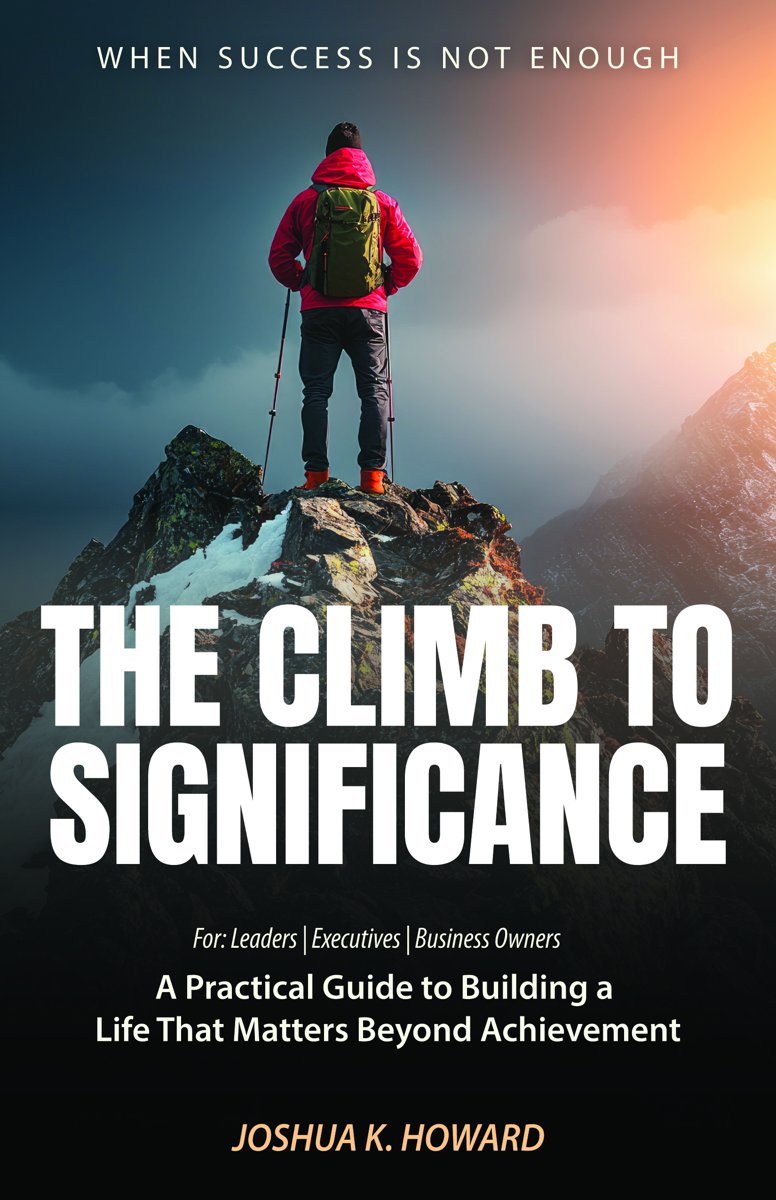
Josh Howard is a Certified Exit Planning Advisor® (CEPA®) and one of our clients. When he was looking for help with his book, he talked to other publishers too. This is how he chose:
"As I looked at other publishers it boiled down to one thing: who was going to help me grow my business beyond just book sales."
Once his book was done, he saw what that meant:
"The most impressive thing is that it got done. There's a process to follow... and once the book is finished, that's just a milestone. Then there's a whole other process to accomplish the goal of the book."
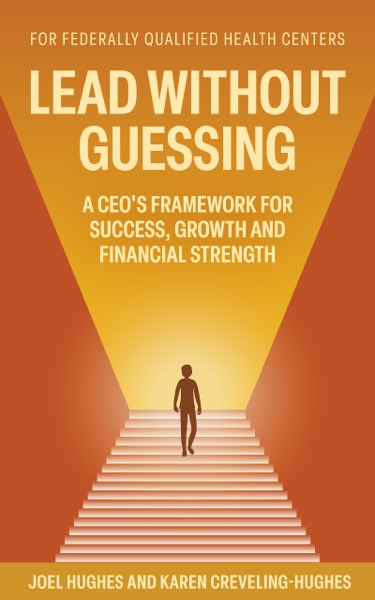
Another client, Karen Hughes, co-wrote a book with Joel Hughes for health center CEOs. The part she didn't expect was the weekly marketing and author sessions that came with it.
What they thought they were buying
Most people come to us thinking they're buying a book. A lot of them describe it differently by the end.
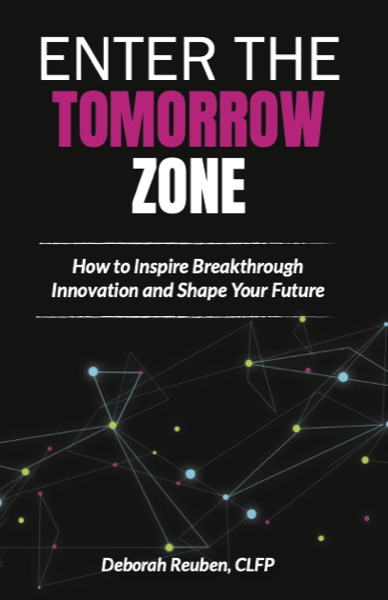
Deborah Reuben is a consultant. She wrote her own book, with coaching from our team, in the busiest year her firm has ever had. This is how she sums up what she got:
"What I thought I was gonna get was an accelerated writing process. What I actually got was strategy for becoming a business with a book at the center."
I've never heard it put better.
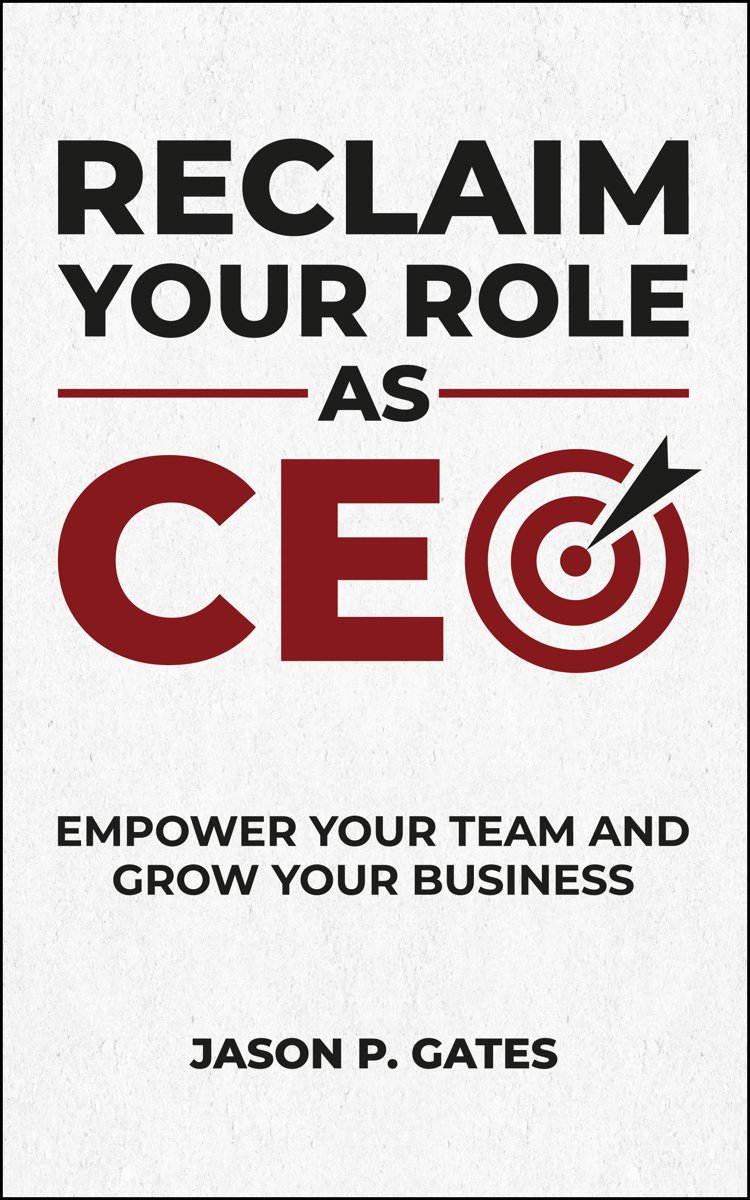
Jason Gates, one of our clients, put it more bluntly:
"You guys don't sell books. You sell a vehicle to create your business."
Before Jason's book was even published, three of his existing clients had signed up for more work. All he did was tell them about the book.
If you already have a book
If you wrote a book and it's sitting in boxes, it isn't wasted.
Some books are the right kind. They name the problem and lay out the method. They just never had a plan behind them. Those books can still go to work. If you published somewhere else, we can coach you through the same marketing we build around our own authors' books.
Other books are textbooks, like the award winner's. For those, the better move is usually the next book, built the right way from the first page.
You don't have to sort out which one you have by yourself. It's one of the first things we'll look at together.
First book or second, the questions are the same
What should the book be about? And how will it bring in clients?
If you've been burned before, you've earned the right to be skeptical. So start with 20 minutes.
Book a call with my team. They'll ask about your firm, the work you'd like more of, and any book you've already put out. Then you'll meet with one of our book strategists.
Between those two calls, you'll get answers to five questions:
- Is a book the right move for your firm now?
- What should it be about, so it names your best clients' problem?
- How would it set you apart as the leader in your market?
- What new clients could it bring in, and what would they be worth?
- What's the fastest way to put it to work, so clients start showing up?
If the answer to the first one is "not yet," they'll say so.
We stand behind it, too. Sell a service for $10,000 or more. Finish 80% of the launch steps. If you haven't earned back your investment within 90 days of publishing, I'll keep working with you until you have.
We've never had to.
That consultant wrote a very good book. It was built to teach, and nobody had a plan to put it to work.
Yours can be built to bring in clients from the first page.
Steve "out of the garage" Gordon
P.S. If you have a book sitting in boxes, bring it to the call. We'll tell you plainly whether it can go to work, or whether the next one should be built differently. Book your 20-minute call