WHAT'S COMING · By Steve Gordon, Founder, Million Dollar Author · 9 min read · Updated 2026
In most markets now, the top name gets the work.
More and more, buyers send the work to one firm in each market: the one they see as the leader. I think that gets stronger over the next 12 to 24 months. A book is the simplest way I know to become that firm.
Think about the last time you needed an expert you'd never used before.
A lawyer for a contract that mattered. A specialist for a tax problem. Someone to fix a thing you couldn't fix yourself.
You probably didn't line up 12 of them and compare.
You asked around. One name kept coming up. You called that one.
Your prospects do the same thing when they need someone like you.
That's what I mean by the top name. It's the firm everyone points to. The one buyers already see as the leader before they've ever talked to it.
In most markets now, that firm gets the work. Everyone else splits what's left.
I think that split is about to get a lot wider.
One line splits in two
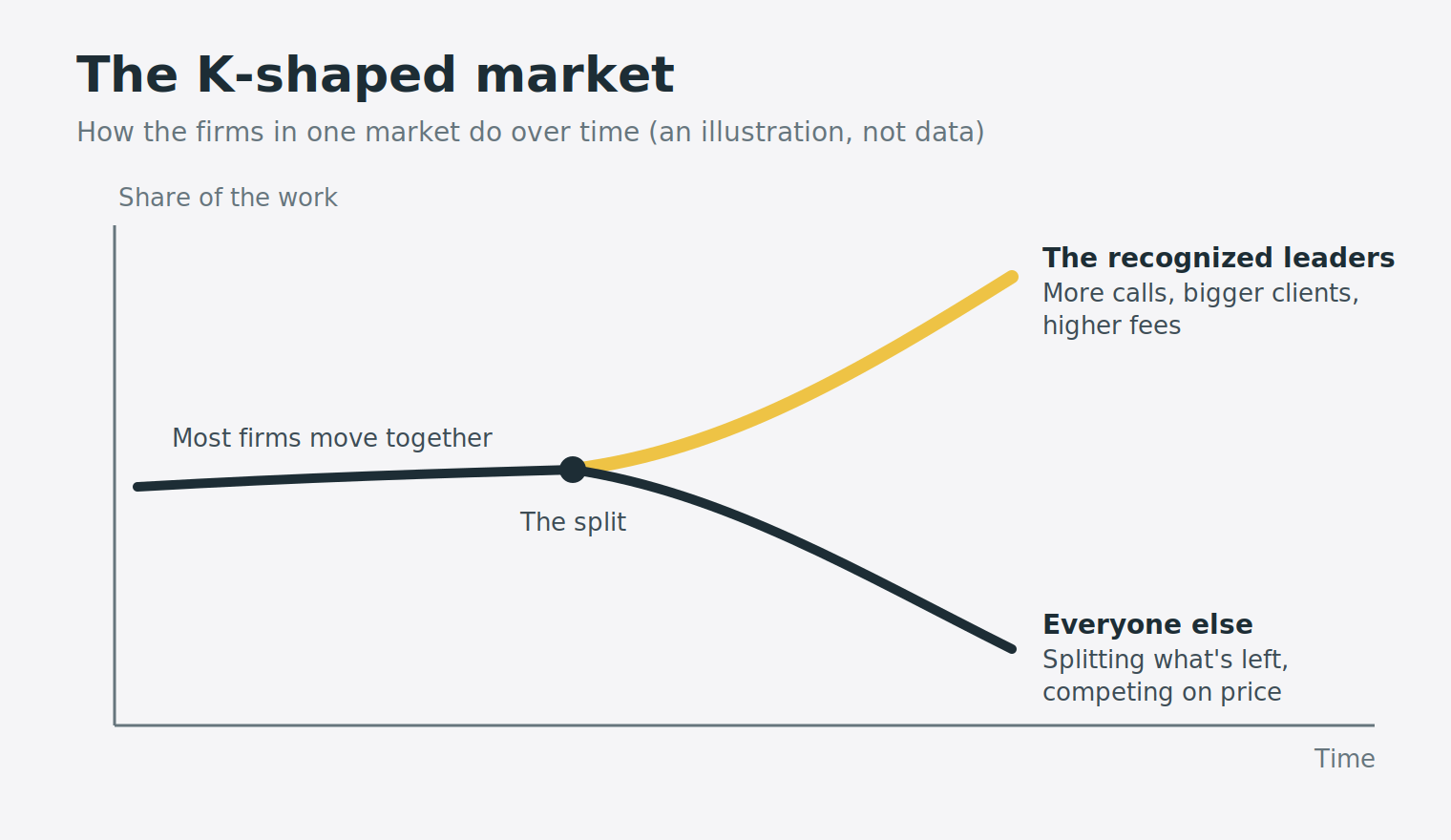
That's the economy. Now look at your own market.
For a long time, a good firm with happy clients could count on steady referrals. Being good was enough to stay busy.
That's changing. The top name in a niche gets more of the calls each year. It gets the bigger clients. It sets its fees, and buyers pay them.
The firms in the middle don't vanish. They fight harder for smaller pieces. More proposals. More "Can you sharpen your pencil?" More calls that end with "We went another way."
I can't show you a chart for this part. It's my read, from the firm owners I talk to.
I could be wrong about how fast this happens. I'd still bet on it.
Why the middle is getting squeezed
AI is a big part of it.
Ask a chatbot how to plan an exit, or price a consulting project, or build a retirement plan. You'll get a clean, decent answer in about ten seconds.
That answer used to be what a lot of firms sold. Now anyone can get it for free. And nobody pays much for what they can get free.
So generic advice is losing its value fast. If your website and your posts say what everyone else's say, a buyer can't tell you apart from a chatbot.
What AI can't do is copy a method with your name on it. It can't fake 20 years of client stories. It can't sit across from a CEO and say, "This is how we fixed it for a firm like yours."
Readers can feel the difference, too.
In 2025, researchers at NIM and ICAIR ran an experiment with more than 1,000 American adults. When a book was labeled as written by AI, people were less interested in reading it and less willing to pay for it. That held in every genre they tested.
The biggest reason was effort. People wanted to know a real person had done the work and put their name on it. Doubts about quality mattered less.
A book built from your own method is proof you did the work. Buyers can tell.
The wrong turn
When work slows down, most owners do more marketing.
More posts. More ads. More lunches. More coffee with people who might know somebody.
I did the same thing. Before my first book, I sent direct mail, bought leads, ran Facebook ads, networked, gave talks, posted, and emailed. It kept me busy. It never made me the name anyone pointed to.
More marketing in a shrinking middle means fighting harder over a smaller pie. You're still one of many. You still have to pitch.
The top name pitches a lot less. It gets picked.
I told the full story of how my first book changed that for me here.
What the top looks like
One of our clients, Tabetha Hart, is a consultant and a Certified Exit Planning Advisor® (CEPA®). She helps owners build a business that can run, and sell, without them.
For years, her hardest job was getting people to understand what she did. In her words:
"It was really hard to explain to people that exit planning is not for people who are preparing to retire."
That's the problem for most firms in the middle. You're good. You're just hard to tell apart.
So she decided to write a book. Her business partner didn't take it well.
"He laughed at me. It was almost like if your little kid comes up and says, I'm gonna be an astronaut, and you pat him on the head. He was extremely skeptical."

Then the book came out, and her partner called her.
"He called me and said: I did not know what you were doing. I had no idea this was what it was. We are reorganizing the entire company... this is pure gold."
He went from a pat on the head to reorganizing the company.
People outside the firm saw it too. At a symposium after launch, her partner kept introducing her as the author, and the conversations moved to her.
Then a $600 million company invited her team in. She's sure the book is why:
"We were invited out to his company to discuss how we're going to integrate our process within his $600 million company. Without this book I know for a fact I wouldn't have even gotten a Zoom call."
Not even a Zoom call. With the book, she got invited in.
And it kept going. Tabetha now teaches one of the sessions in a peer group program. Everyone who attends hears her method. In her words:
"It's pretty huge access. It would have never happened without writing this book."
She didn't pitch her way into any of that. The book made her the name people point to.
The line that ends the comparison
Every prospect you talk to is comparing you to someone. Sometimes it's a competitor. Sometimes it's doing nothing. More and more, it's a chatbot.
A book gives them one clear difference to point to.
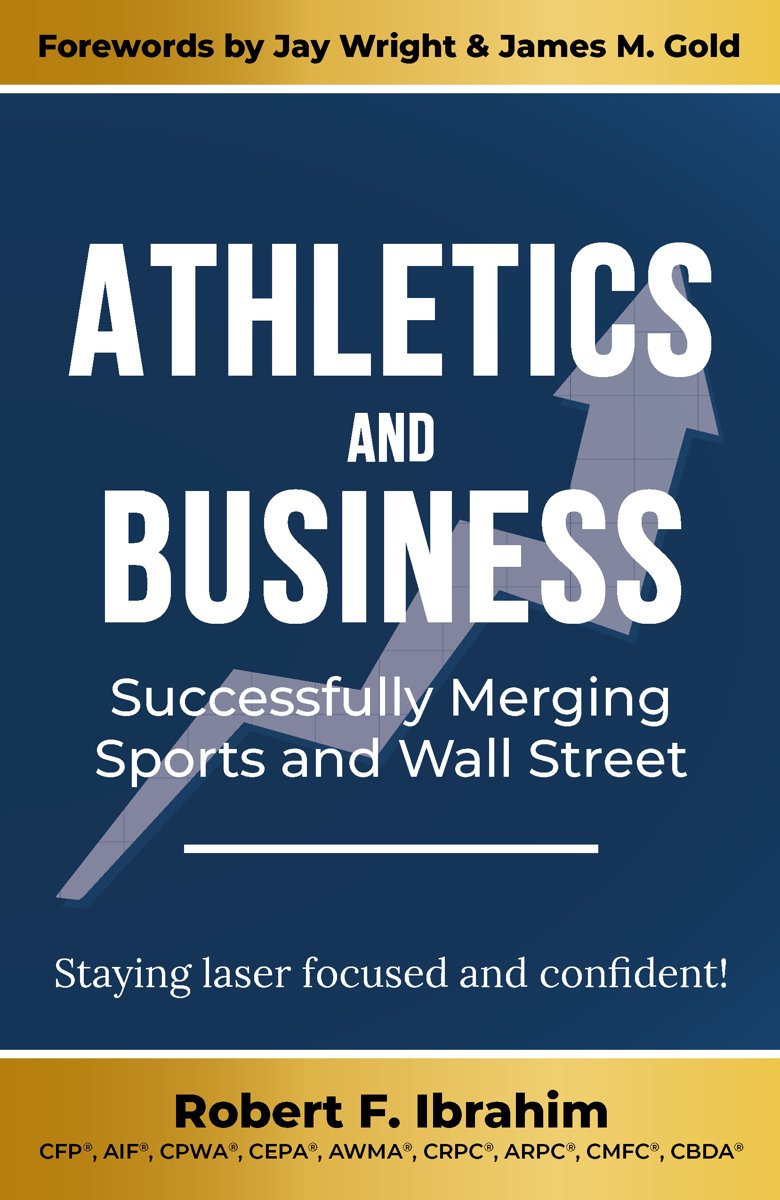
Rob Ibrahim, a financial advisor and one of our clients, sums up his edge in a line. The other advisor isn't an author. He is.

Chris Ling, another client, is a forensic architect. When a prospect asks why they should hire him, he tells them he wrote the book on it. Then they hire him.
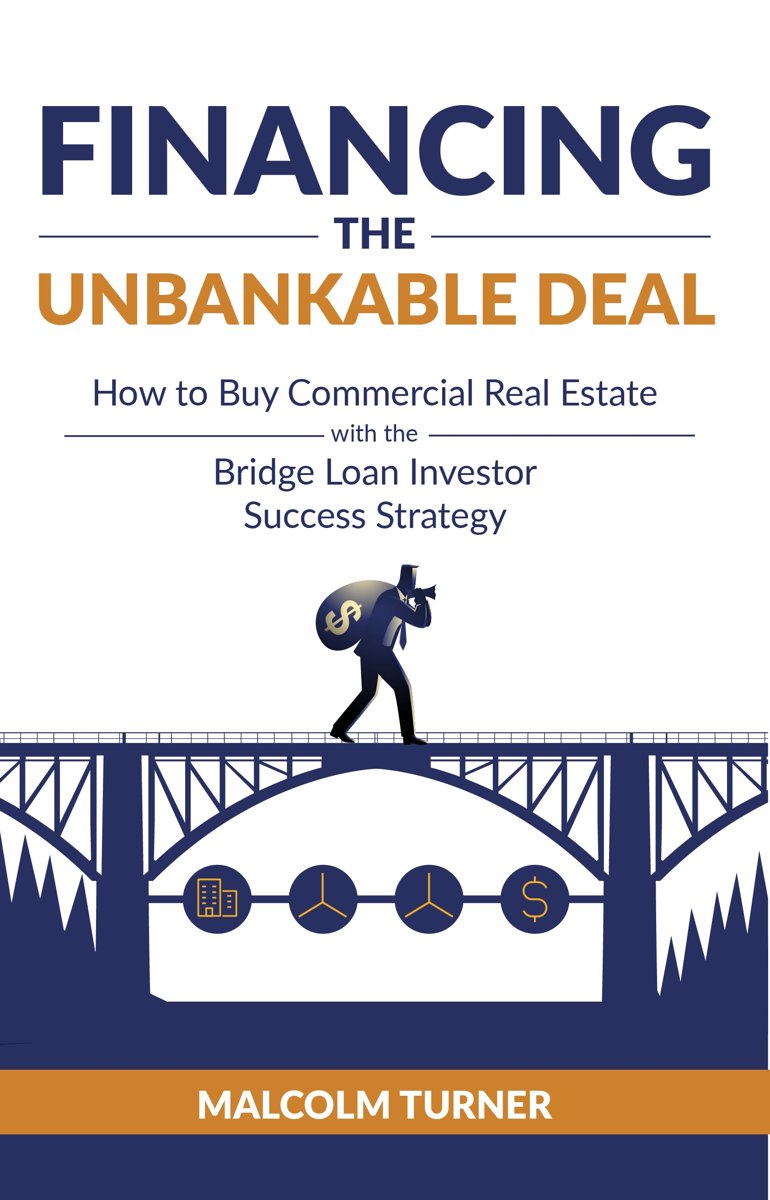
Malcolm Turner, another client, didn't come to us to get his firm started. He came to get it noticed. He told us:
"When you have a book and you're an author, prospects look at you differently. They look at you more as an authority. Our firm has been around 16 years, so it's not like we're new. But I did want to raise our profile, and writing a book does that."
That's how a firm gets to the top of its market. You take the method you already use, put your name on it, and put it in a book your prospects can hold.
We call it the Only Name Method, and it has four steps. We extract the method from your head. We give it a name. We package it into a book. Then we activate it. That means building the marketing that puts your book in front of the people you want as clients, built for the way firms like yours win work.
Plenty of publishers and ghostwriters will hand you a finished book and wish you luck. That last step is where the clients come from.
Why the top spot is still open
You might think the top of your market is already taken. In most markets, I don't think it is.
Look at the numbers. Bowker, which tracks book ISBNs, counted about 18,000 business books published in the U.S. in 2025, as reported in Publishers Weekly. The SBA counts nearly 35 million small businesses in this country. About 6.3 million of them have employees.
Even if every one of those books came from a different firm, that's about one new book for every 350 firms with employees.
Now think about your own niche. How many firms have written the book on your clients' biggest problem? A real book, with a method in it. Not a brochure or a blog.
If the answer is none, the seat is open.
In my experience, whoever names a niche's problem first tends to keep that seat. Buyers remember the first person who explained their problem clearly. Whoever comes after can sound like a copy.
What it takes from you
"I don't have time to write a book."
Most owners I talk to say that. Fair enough. You're running a firm.
You don't have to write it. You talk, and we write.
- Week one: about 8 hours of interviews.
- The next few months: 12 to 15 hours reading drafts and telling us what to change.
- Start to finish: about 90 days.

A book can also pay for itself fast. One of our clients, Mike Koenigs, had published 18 books before AI Accelerator. He says that 19th book brought in more than $1 million in its first 30 days.
Yours doesn't have to come close. For most firms we talk to, the math works with one to three new clients.
And we back it with a guarantee. Sell a service at $10,000 or more and finish 80% of the launch steps, and you'll earn back your investment within 90 days of publishing. Miss that mark, and I keep working with you until you hit it.
We've never had to.
Where do you sit on the K?
This is a good fit if:
- You've built a real firm, with a team
- Each new client is worth $10,000 or more
- Your clients know how good you are, and your market doesn't yet
- You'd rather get picked than keep pitching
It's the wrong move if you're still getting your firm off the ground, or if you want a book to sit on a shelf.
If that first list sounds like you, book a 20-minute call with my team. They'll learn about your firm, your clients, and where you sit in your market today. Then you'll meet with one of our book strategists.
By the end, you'll know:
- Whether a book makes sense for your firm this year
- The problem your book should own
- How it would put you at the top of your market
- Which clients it could bring you, and what they're worth
- How to get it working fast, so the first clients come early
And if the honest answer is "not yet," you'll hear that.
Somewhere in your market, one firm is about to become the name everyone points to. I'd like it to be yours.
Steve "top of the K" Gordon
P.S. Tabetha Hart's business partner laughed when she told him she was writing a book. After it came out, he called it "pure gold" and told her they were reorganizing the entire company. If you want to know what a book could do for your firm, start with 20 minutes. Book your 20-minute call